

Someone I recently met casually asked me about the international school my daughters attend. I shared that they are in Spanish immersion and that it has been a great experience.
“Well, not to get political…” she responded “but with the open border and all…”
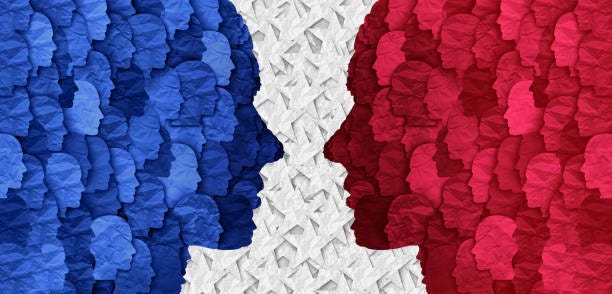
Her response caught me off guard for a few reasons, and I paused before sharing any further…
As a general rule, when someone begins a statement that they “aren’t trying to be political” you can almost guarantee there is indeed a political motivator behind their comment… otherwise, why is a disclaimer needed?
My daughters are learning Spanish because they are global citizens who will be better able to communicate with so much of the world because of the gift of the Spanish language. It has nothing to do with the current situation at the US/Mexico border.
In fact, the incredible Spanish teachers they’ve had so far are also from Puerto Rico, Cuba, and Venezuela, along with Mexico.
When someone’s knee jerk response to the mention of Spanish is to mention an area of the world that makes up a tiny part of the world… the U.S./Mexico border… it hints of a very small worldview. (In fact, in 2024, Spanish is reported to be the 2nd most commonly spoken native language in the entire world- ahead of English!)
After my brief recovery from this new friend’s off-handed comment, I smiled and shared that we view language as a gift that can connect people, and it’s something we wanted to give our daughters. (And something I wish I personally had more of.) I shared that of the 5 continents I’ve visited around the world, the U.S. is the only place I’ve been where the vast majority of people I encountered only speak one language fluently (including myself…)
What face do you see when you talk about “Spanish-speaking people” (or any other people group)? Do you automatically jump to the political rhetoric that is too often spewed as fuel to make our neighbors feel like “strangers”?
Or do you picture your Spanish-speaking friend, neighbor, or teacher? Do you see someone you love and care about?
In my household, when we hear news of Mexico, Cuba, Puerto Rico, or many other Spanish-speaking nations, my family takes the news personally as we think of the people we love and respect. My daughters don’t see the faces of strangers; they see the faces of:
Senora Lopez, Senora Cardin, Senora Gonzalez, Senora Guevara, and Senora Ochoa, among others. They don’t see “people from another country.” They see humans who they love and respect and adore.
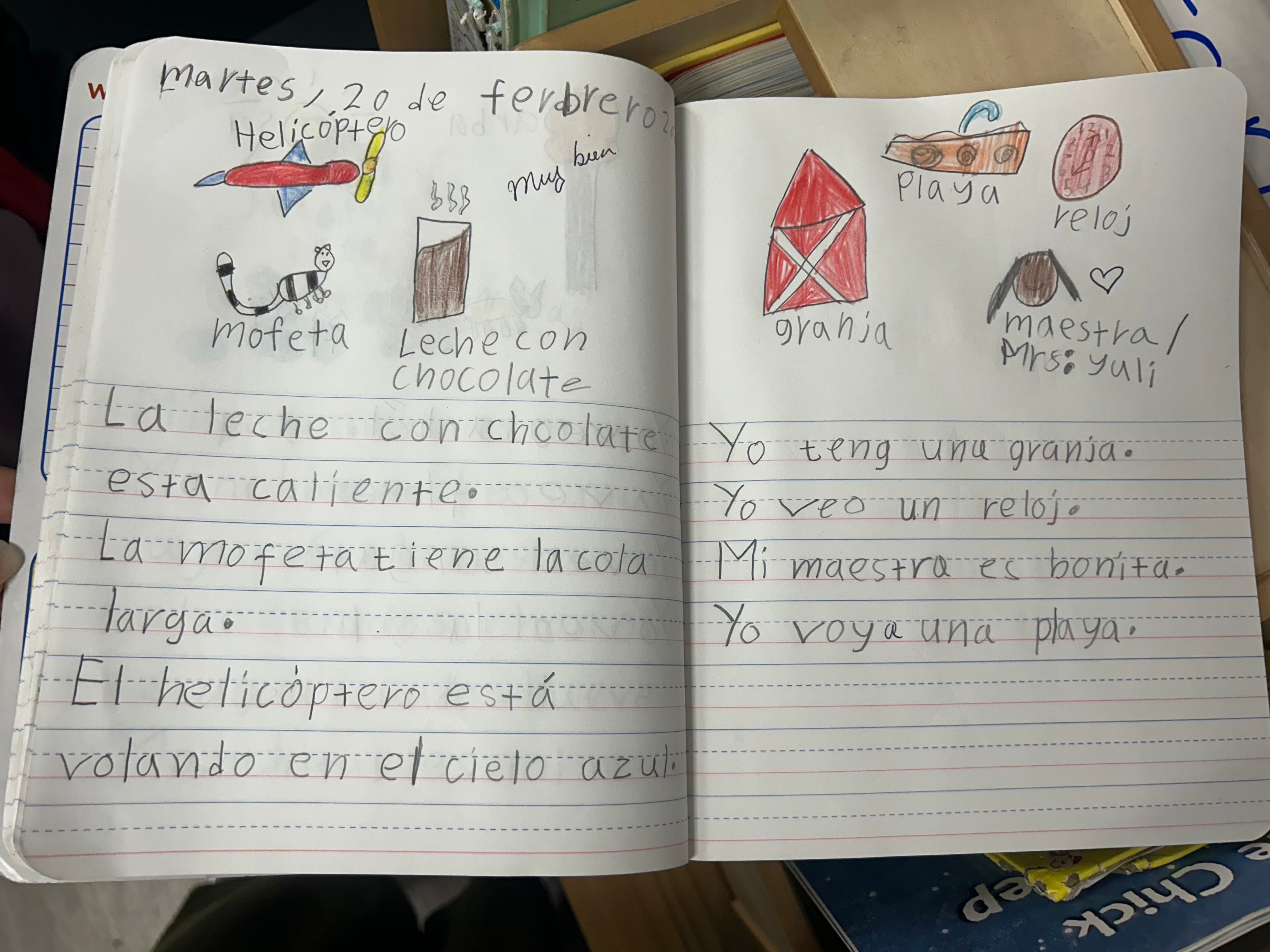
Your child doesn’t have to be in a language immersion school to appreciate other cultures. You don’t have to speak another language to be a good global citizen.
But.
When Mexico is mentioned in your household… when Spanish-speaking people pass you in the grocery store… when you hear news about our bordering country to the south of the U.S…
Is your first thought “political”?
Or is it loving, as you consider the PEOPLE behind the situation?
Do you think of strangers or neighbors when you hear people groups being “othered”?
If your first thought is… “not to be political BUT…” - I’m not trying to shame you. After all, we are so often a product of our social culture, media, and upbringing.
BUT, if that’s you, I challenge you to recognize your first thought and get curious. Especially if you are a white person (yes, I’m calling out my own demographic)… How many people in your life are considered to be part of minority groups? How many people in your life are so often “othered” by our political culture in the U.S.? Have you taken time to know your Spanish-speaking neighbors? Do you know your immigrant neighbors? Like, really know them?
How intentional is your family about celebrating diversity and positioning yourself around people who may not speak or look like you? What are the conversations around your dinner table, and how are you casually speaking of other people, especially in front of your kids?
I have a feeling that if we each got to know each other as neighbors, friends, and actual humans- instead of issues… our first thought may not be “political” when we hear a statement about certain people groups or languages.
During this election year when there is so much division and people taking stances on issues they feel very strongly about… it’s more important than ever to see each other as humans, neighbors, and people who are worthy of love and respect.
As author and speaker Carlos Whitaker often says…
“Don’t stand on issues. Walk with people.”
Dios te bendiga,
Doctora Peek
P.S. Apply the above examples to any other people group who is often caught up in “political” issues that divide people.
P.P.S. It’s not bad to be “political”… Life is inherently political. So please use your political freedom and voice to vote, advocate for people, and make a positive change! Just don’t use it as an excuse to turn neighbors into strangers.